User
email@example.com
Essential Travel Tips for Stress-Free Adventures

Travel is less about checking off a bucket list and more about a quiet, personal evolution. It’s the art of letting the world change you. When we strip away the frantic logistics, we leave room for those small, unscripted moments that actually stay with us.
Here is a more human approach to moving through the world.
1. Seek the Quiet Windows
There is a profound difference between seeing a monument and feeling its presence.
- The "Shoulder" Season: Visit when the earth is transitioning. You’ll find the locals are more relaxed, the prices are kinder, and you won’t have to fight a sea of selfie sticks just to see the view.
- Morning Stillness: Wake up with the city. Watching a baker open their shop or seeing the mist lift off a square offers a glimpse into a place’s soul that a noon crowd can’t provide.

2. Honor the "Just in Case"
Anxiety is the enemy of wonder. Tucking away a few safeguards lets your mind truly wander.
- The Paper Safety Net: In a digital world, a physical photocopy of your passport is a tactile piece of peace of mind.
- Digital Breadcrumbs: Save an offline map of your neighborhood. Knowing you can always find your way "home" to your hotel gives you the courage to get lost in the side streets.
3. Financial Fluidity
Money is just the energy that keeps you moving. Handle it with a light touch.
- The Emergency Stash: Keep a $50 or €50 bill tucked in a separate spot—like a book or a hidden pocket. It’s your "get back to safety" fund that you’ll hopefully never need.
- Tech That Works for You: Use a card that doesn't punish you for being abroad. Every dollar saved on a "foreign fee" is a coffee at a local bistro later.
4. The Beauty of Less
We often pack for our fears, not our needs.
- The Versatile Uniform: Bring clothes you actually love wearing. If it doesn't make you feel like "you" at home, it won't in Paris or Tokyo.
- Prioritize Your Feet: A pair of broken-in, reliable shoes is the best investment you’ll ever make. Blisters are a high price to pay for fashion.
5. Be Present, Not Just "Posted"
Connectivity is a tool, but it can also be a leash.
- The Local Pulse: Grab a local SIM card. It’s cheaper, and it makes you feel like a resident rather than a visitor.
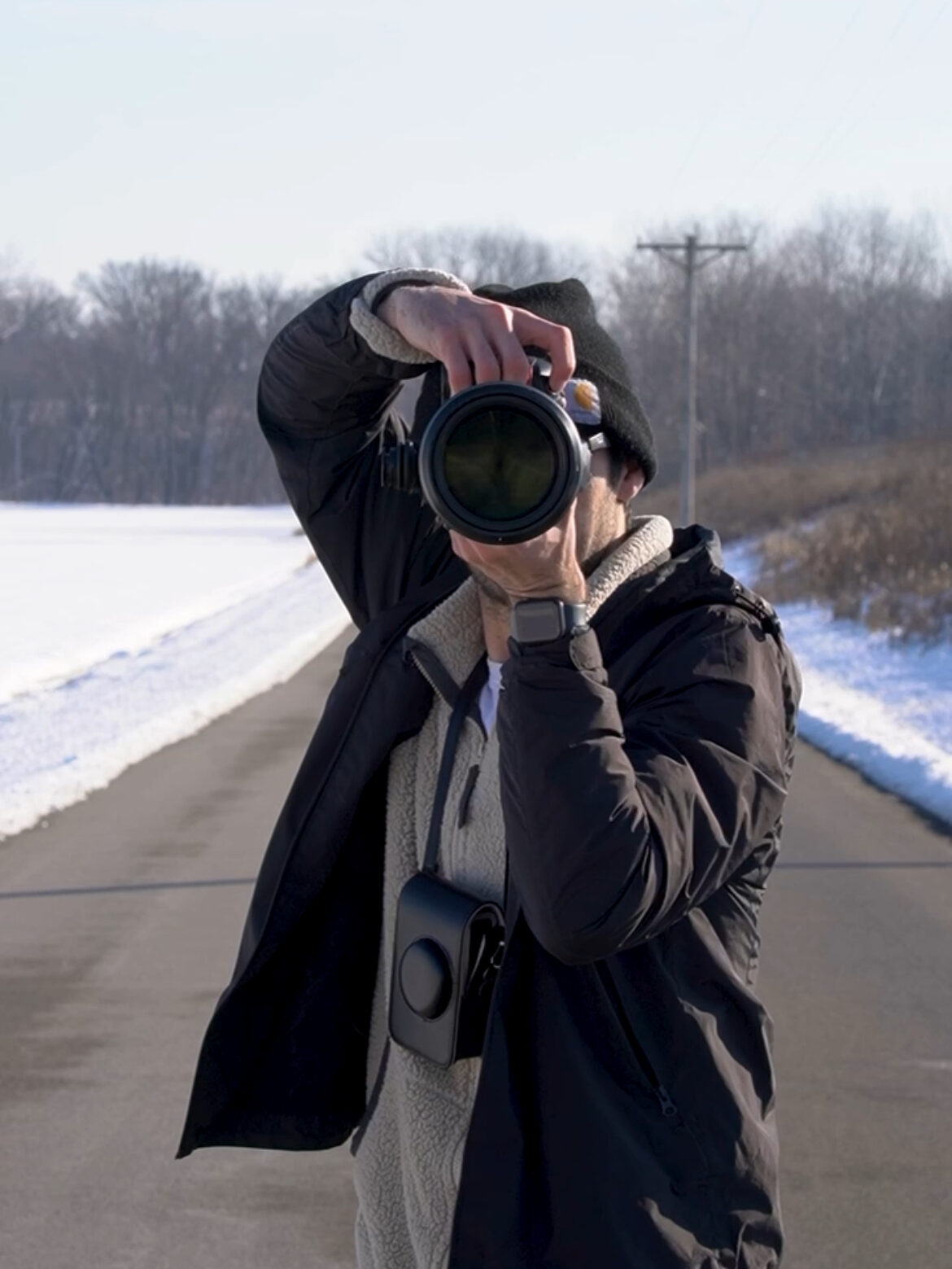
- Look Up: It’s tempting to document everything for the "grid," but try to see the sunset with your eyes first, and your lens second.
6. Eat with Curiosity
The best stories are usually told over a meal.
- Follow the Locals: If a place has a line of residents and no English menu, you’ve found gold.
- The Three-Block Rule: Walk away from the main tourist plaza. The food gets better, the service gets warmer, and the prices get honest.
7. The Luxury of Time
The most common travel mistake is trying to see everything and ending up seeing nothing.
- Leave Gaps: Don't over-schedule. The best part of your trip will likely be that random bookstore you found or the conversation you had at a park bench.
- Slow Down: It is better to know one neighborhood deeply than a whole country superficially.
8. Soft Awareness
Safety isn't about being paranoid; it’s about being "tuned in."
- Trust Your Gut: If a street feels wrong, turn around. If a person feels off, walk away. Your intuition is your oldest travel companion.
- Blend In: Try to mirror the volume and vibe of the people around you.
9. Keep the Receipts of the Soul
Photos capture what a place looked like; journals capture how it felt.
- Write it Down: Even a few sentences about a smell, a sound, or a funny interaction will bring a trip back to life years later in a way a photo never could.
10. The Grace of the Detour
The "perfect" trip is a myth. The real magic happens in the mishaps.
- Stay Fluid: When a train is cancelled or the rain pours down, lean into it. The most memorable stories usually start with, "Well, it wasn't supposed to happen this way, but..."
- Human Connection: Talk to people. Ask the waiter for their favorite spot. Ask the librarian for a recommendation. These small threads of connection are what make the world feel like home.
Travel smart, but more importantly, travel with an open heart. The world is much kinder than the news makes it out to be.
Discussion
Join the Conversation.Guidelines
- ✨ Be respectful to others
- 📍 Stay on topic
- 🛡️ No spam or self-promotion