User
email@example.com
Duluth Minnesota Northern Lights: 2026 Viewing Guide & Aurora Borealis Forecast Duluth MN

A comprehensive guide to the northern lights forecast is essential for enthusiasts planning to witness the aurora in 2026. Geomagnetic storms, temporary disturbances in Earth's magnetic field caused by solar wind, are the primary trigger of northern lights. Tracking these storms is essential for the most accurate aurora borealis forecast Duluth MN has to offer. Solar Cycle 25, expected to peak, along with Duluth's 46.8°N latitude, provides optimal conditions for observing the northern lights, a phenomenon occurring roughly every eleven years.
Solar Cycle 25 refers to the current 11-year cycle of solar activity that is predicted to peak in 2026.
Aurora Borealis is a natural light display in the Earth's sky caused by charged solar particles interacting with the planet's magnetic field.
Solar Maximum is the period of greatest solar activity in the solar cycle, resulting in more frequent and vivid northern lights.
Aurora borealis, also known as the northern lights, is a natural light display caused by charged solar particles interacting with Earth's magnetic field. Accurate monitoring of the northern lights forecast predicts when and where these displays will be visible. Accurate monitoring of the northern lights forecast predicts when and where these displays will be visible. During solar maximum periods, consulting the northern lights forecast becomes crucial to determine the best viewing times and locations. Typically, auroras are confined to Alaska and Canada's far north, but 2026's heightened solar activity is likely to extend the auroral oval southward more frequently, making Duluth's Lake Superior shoreline an ideal viewing spot. Duluth's dark sky corridors along the North Shore offer unrivaled viewing opportunities due to minimal light pollution outside the downtown core.
This guide offers forecasting tools specific to Duluth, optimal viewing spots, and real-time monitoring strategies tailored to the city's unique position in this remarkable solar cycle.
Why 2026 is a Historic Year for Duluth Minnesota Northern Lights
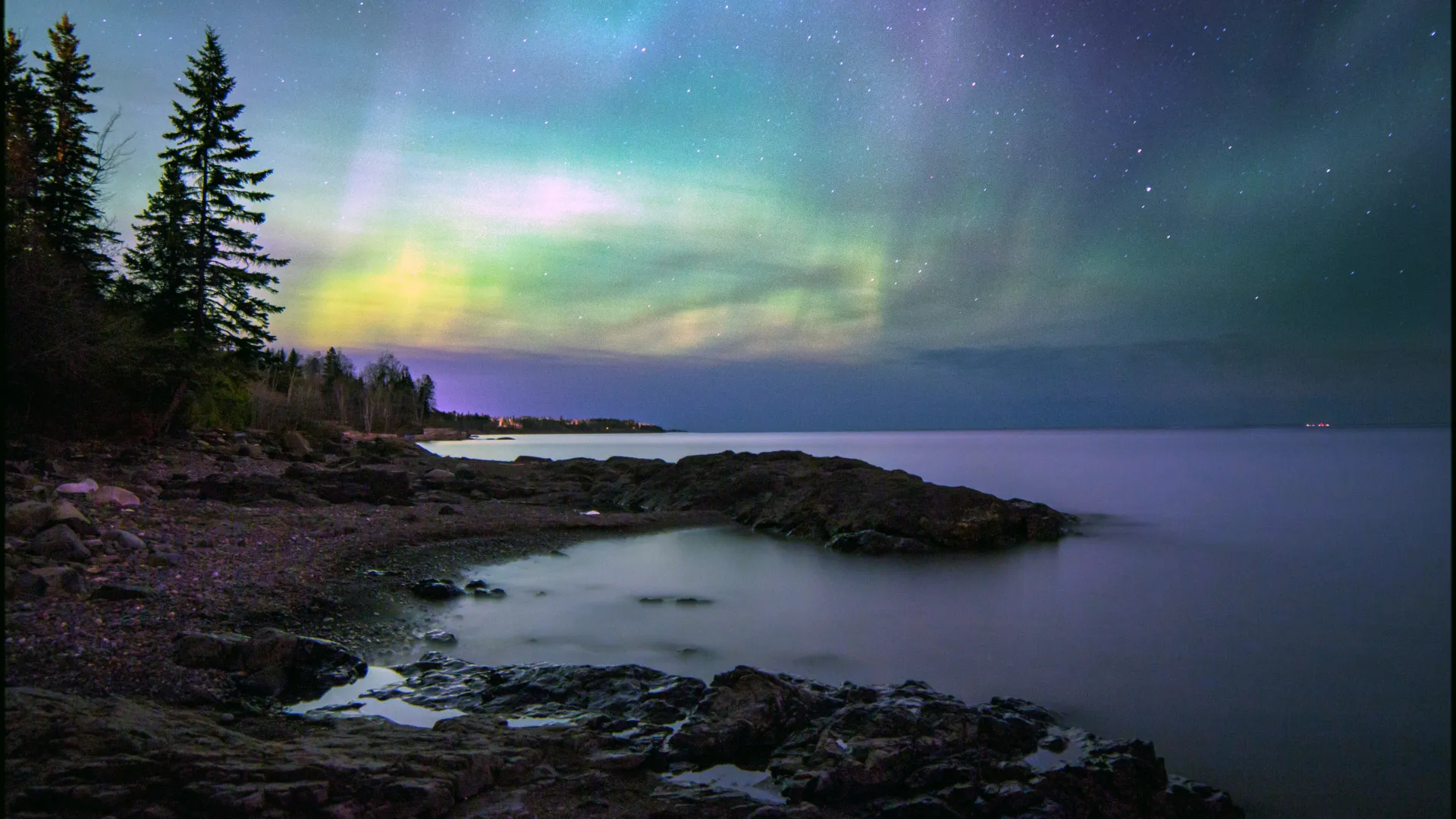
Solar Cycle 25 peaks in 2026, promising extraordinary aurora displays at mid-latitude locations like Duluth. The sun's magnetic field reversal every 11 years marks a solar maximum, predicted to produce more frequent and vivid northern lights than seen in over a decade.
The Space Weather Prediction Center indicates that increased sunspot activity during solar maximum results in stronger geomagnetic storms, the primary cause of auroras. Duluth's latitude near the 46.8°N parallel is ideal for witnessing stunning auroral displays.
The Kp index is a global scale of geomagnetic activity from 0–9, used in northern lights forecasts to determine where auroras may appear. Duluth typically requires a Kp index of 5 or higher for consistent viewing; however, 2026's intense solar activity is expected to produce several Kp 6+ events. The 2026 northern lights forecast anticipates more aurora viewing opportunities in Duluth in one year than the previous five combined.
The frequency and intensity of displays increase during solar maximum, featuring rapidly moving curtains and diverse colors beyond the usual green. Duluth's location along Lake Superior enhances these spectacles, offering an ideal setting for nature's most impressive light show.
The Duluth Advantage: Why This City is a Chaser's Paradise
When planning a trip around the Duluth Minnesota northern lights, the city's dark sky corridors offer unrivaled viewing. Duluth combines three essential elements for aurora enthusiasts: minimal light pollution on its northern outskirts, consistent lake-effect clear skies during peak viewing times, and reliable infrastructure accessible during winter storms—all of which enhance the effectiveness of following a northern lights forecast. Unlike remote areas, aurora chasers can monitor the northern lights forecast from a warm cafe and reach a viewing site within 15 minutes.
Situated at 46.8°N latitude, Duluth stands as an optimal location where Solar Cycle 25's increased activity makes aurora viewing likely. When geomagnetic storms reach Kp 5 or higher, the aurora oval extends far enough south to produce overhead displays rather than just low on the horizon.
Lake Superior acts as a natural darkness shield, with no major urban centers to the north for hundreds of miles. The North Shore's designated dark sky areas offer Bortle Scale readings of 2-3, ensuring the Milky Way is visible even during moderate moonlight. This perfect blend of accessibility and true darkness offers what experienced aurora photographers call "drive-up dark sky quality."
Bortle Scale is a nine-level numeric scale used to measure the night sky's brightness and the impact of light pollution.
Best Locations for Northern Lights Forecast Tonight
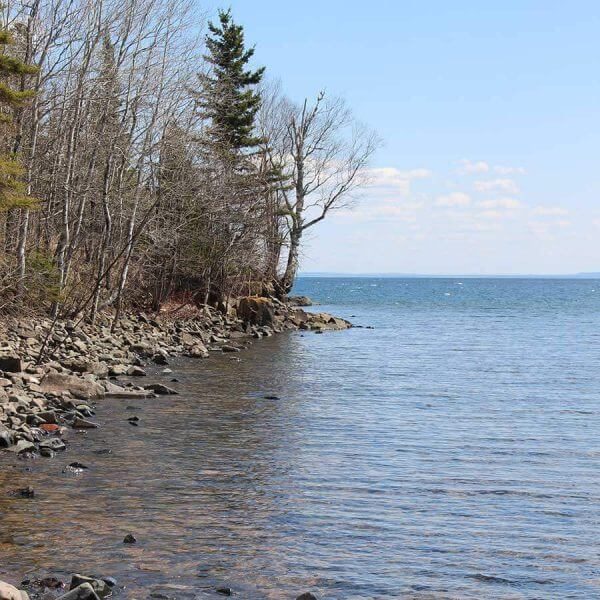
Duluth's geographic features create a natural amphitheater for aurora viewing, with distinct zones offering specific advantages based on solar activity levels and weather conditions. The city's extensive lakeshore provides unobstructed northern horizons essential for capturing low-intensity displays near the horizon.
Dark sky access is vital for exceptional viewing. Professional aurora photographers seek spots with Bortle Scale ratings below 4 to minimize light interference from urban areas. Duluth's northeastern coastline provides this advantage within a short drive from downtown accommodations.
An aurora borealis tracker is indispensable when choosing your location. The NOAA 30-Minute Forecast offers continuous updates, showing real-time intensity predictions that help determine whether coastal parks or elevated inland sites will capture the most vibrant parts of the display.
Each location serves different viewing needs—waterfront sites are ideal during moderate Kp 4-6 events, while elevated inland spots are valuable during Kp 7+ storms when the entire sky lights up. Knowing which locations match current conditions transforms random hoping into strategic positioning.
1. Brighton Beach (Kitchi Gammi Park)
Brighton Beach anchors Duluth's eastern shoreline as the top location for aurora photographers seeking dramatic foreground compositions. The rocky beach and iconic warming house create striking silhouettes against aurora displays. The east-facing orientation offers unobstructed views of the northern and eastern skies—vital angles when geomagnetic storms intensify.
What makes this spot exceptional: Lake Superior's reflective surface and minimal artificial lighting create "double auroras"—phenomena that appear both overhead and mirrored in the water during calm conditions. This location consistently delivers when the Aurora 30-Minute Forecast indicates a Kp index of 3 or higher.
The warming house is accessible year-round, providing shelter during extended viewing sessions. Arrive early during major solar events as parking fills quickly when strong activity is forecasted. The beach spans approximately 400 feet, offering ample space to see the northern lights even during peak visitor times.
Practical considerations: Bring a headlamp with red filter mode to preserve night vision while navigating the rocky shoreline. Spring ice formations can last through April, offering additional photo opportunities but requiring caution near the water's edge.
2. Hawk Ridge Bird Observatory
Hawk Ridge offers unobstructed northern horizon access from 800 feet above Lake Superior—one of Duluth's highest aurora viewing elevations. Skyline Parkway eliminates light pollution interference common at lower coastal sites, creating a "dark sky island" within city limits.
The ridge's 310-acre conservation area provides multiple viewing angles across open meadows and overlook platforms. During geomagnetic storms with Kp index readings of 5 or higher, observers can see auroras spread across 180 degrees of the northern sky. The elevation advantage adds about 15 minutes to visibility windows compared to sea-level locations.
Practical Considerations:
- Access: Skyline Parkway remains plowed year-round with parking for 40 vehicles
- Light interference: Minimal southward glow from Duluth's urban center
- Best viewing hours: 10 PM to 2 AM during peak solar activity
The exposed ridgeline experiences wind speeds 20-30% higher than protected shoreline sites. Successful aurora hunters layer clothing and position windbreaks behind camera tripods to maintain stability during long-exposure photography sessions. The elevation also places viewers above temperature inversion layers that sometimes trap moisture along the lakeshore.
Temperature Inversion is an atmospheric condition where warm air traps moisture or fog near the ground, affecting shoreline visibility.
3. Park Point (The Far End)
Park Point's southern tip eliminates Duluth's urban glow entirely—a seven-mile sandbar buffer between viewing positions and city lights. The NOAA 30-minute forecast model is crucial here, as the location requires a 25-minute drive from downtown followed by a half-mile beach walk to reach optimal darkness zones.
Superior Entry's navigation lights mark the western viewing boundary where lake waters meet the sky at 180 degrees of unobstructed horizon. During moderate G2 storms, photographers position tripods where dune grass meets hard-packed sand—the vegetation provides windbreaks without blocking northern sky access. Arriving 45 minutes before predicted peak activity allows eyes to dark-adapt while scouting compositions.
Winter access requires awareness: Park Point Beach House facilities close October through April, meaning no public restrooms or shelter exist beyond the paved recreation area. Successful aurora chasers pack insulated beverages and check wind chill forecasts—exposed shoreline temperatures run 8-12 degrees colder than inland Duluth readings. The reward justifies preparation: those who see the northern lights here witness displays reflected across Lake Superior's expanse, doubling the visual impact through mirrored water effects.
4. Stony Point (Just North of Duluth)
Stony Point provides Minnesota Highway 61 convenience with true North Shore darkness—15 minutes from Duluth's hotel corridor yet beyond the Canal Park glow radius. The wayside rest stop at milepost 24 offers immediate Lake Superior shoreline access without urban light pollution interference.
This location excels during moderate geomagnetic storms (Kp 4-5) when you don't want to drive 90 minutes north but need darker skies than city limits allow. According to Space Weather Prediction Center forecasts, these mid-range events represent 60% of visible aurora opportunities—making Stony Point's accessibility particularly valuable.
The open northeastern exposure means you can track aurora development from the horizon to zenith without tree obstruction. Start photographing within two minutes of arrival—critical when sudden aurora intensifications occur during brief viewing windows.
Strategic positioning matters: walk 100 yards north along the rocky beach to eliminate vehicle headlights from passing Highway 61 traffic. This simple adjustment removes the primary light contamination source while maintaining safe proximity to your car during sub-zero conditions typical of peak aurora season.
For visitors staying in Canal Park wanting to see the northern lights without committing to remote expeditions, Stony Point offers the optimal compromise—genuine dark-sky viewing with minimal travel investment and immediate highway access if conditions deteriorate.
5. Boulder Lake Reservoir (The Inland Alternative)
Boulder Lake Reservoir flips the traditional Superior shoreline script—trading lakefront views for 360-degree dark sky immersion 25 miles northwest of Duluth. This 1,200-acre recreation area eliminates the Lake Superior light pollution corridor entirely, positioning viewers in a forest-ringed bowl where darkness measures near Bortle Class 3.
The reservoir's primary boat launch parking area provides open northern horizons across water, while surrounding hills block Duluth's residual glow from all sides. Northern lights viewing spots that prioritize sky darkness over water reflections often outperform coastal locations during low-index events (Kp 2-3), when faint auroral arcs demand maximum contrast against the night sky.
Two practical advantages emerge: zero driving competition during peak events and daytime accessibility for scouting. The 30-minute drive from central Duluth keeps this location off the tourist radar, while marked trails and primitive camping sites allow advance reconnaissance—critical for establishing tripod positions and escape routes from vehicle headlights. However, tree-line obstructions limit low-horizon viewing angles where initial auroral activity typically appears before overhead expansion.
If you prioritize opportunities to see the northern lights without lakefront crowds, Boulder Lake trades Superior's reflective drama for scientific purity—darker skies that reveal subtle color gradations often washed out by light pollution at coastal viewpoints.
Decoding the Aurora Borealis Forecast Duluth MN
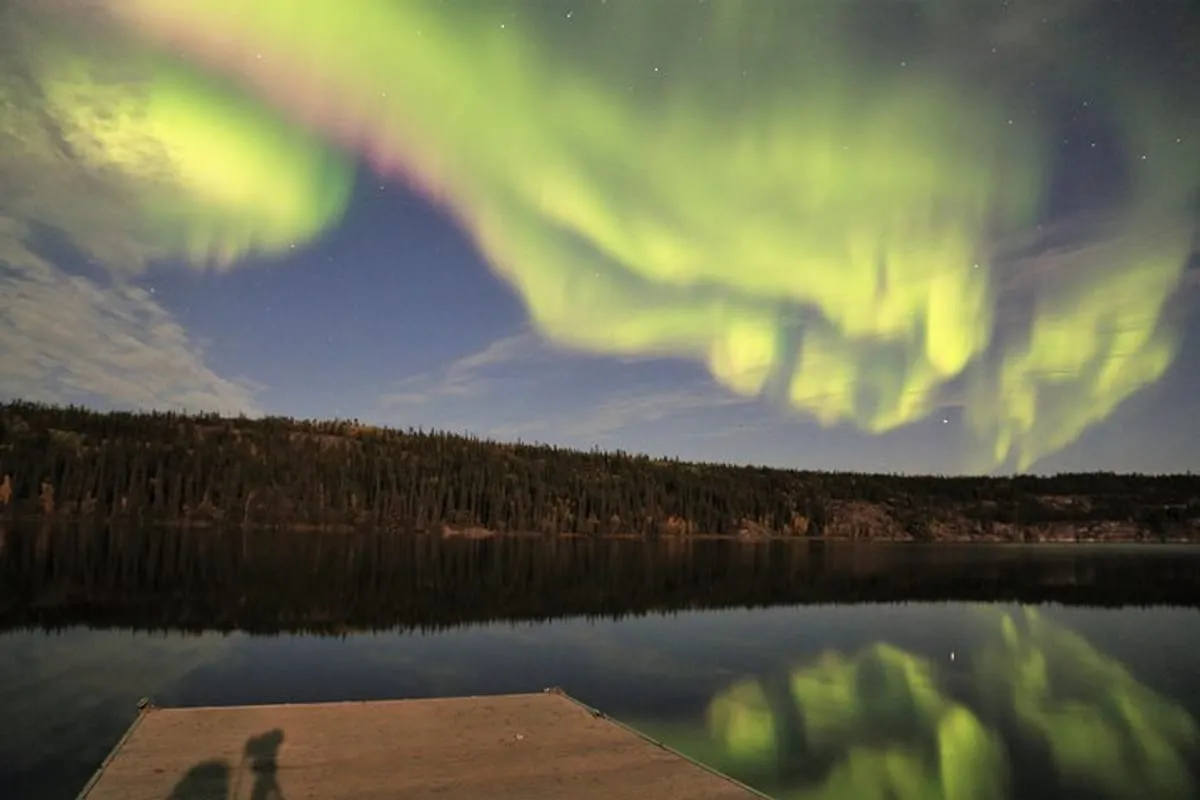
Modern aurora viewing begins with three free forecasting tools—each serving distinct purposes. NOAA's 30-Minute Forecast provides real-time auroral oval position updated every 10 minutes, showing whether the green band extends south to Minnesota's latitude. For longer-range planning, Space.com's aurora alerts translate solar wind data into plain-English forecasts 1-3 days ahead. The third essential: AuroraHunter.com, which combines geomagnetic indices with local weather patterns specific to Superior's shoreline.
A key misconception: high KP numbers don't guarantee visibility—cloud cover eliminates 60% of technically "strong" aurora nights in Duluth. Cross-reference geomagnetic forecasts with North Shore Visitor's weather integration showing both aurora probability and cloud coverage in single displays. Set alerts for KP≥4 combined with <30% cloud cover after 10 PM—this pairing produces actual sightings far more reliably than KP readings alone.
1. The KP Index (The General Mood)
The KP Index measures planetary-level geomagnetic activity on a 0-9 scale, acting as the aurora's universal translator. For northern lights viewing at Duluth's latitude (46.8°N), the magic threshold starts at KP 4—though exceptional displays occasionally appear at KP 3 during solar maximum windows.
However, the KP Index delivers the weather report, not the hour-by-hour forecast. A KP 6 prediction tells you conditions exist for vibrant auroras somewhere in the northern hemisphere—but doesn't pinpoint when curtains will dance over Park Point or where the most intense activity will focus. That requires cross-referencing the Bz measurement (covered next) and real-time magnetometer data.
What makes KP 4+ nights special: atmospheric particles reach southern latitudes in sufficient density to ionize oxygen and nitrogen molecules above Minnesota's borderlands, creating the green-red glow visible 80-300 miles overhead.
2. The Bz (The Most Important Number)
The Bz component of the interplanetary magnetic field represents the single most critical factor for determining whether you'll see northern lights Duluth MN tonight. This value measures the north-south orientation of the solar wind's magnetic field, and only negative Bz readings trigger visible auroras.
When Bz drops below -5 nT (nanoteslas), it signals that Earth's magnetic field is opening like a door, allowing solar particles to stream toward the poles. The more negative the number, the stronger the display—readings of -10 nT or lower often produce multi-colored curtains visible well south of typical aurora zones. NOAA's 30-Minute Forecast updates this critical metric in real-time, making it your go-to resource for immediate viewing decisions.
The catch? Bz can flip from favorable to unfavorable within minutes, which explains why forecasters emphasize the 30-minute window. Even with perfect KP ratings, positive Bz values (+5 nT or higher) effectively shut down auroral activity. This volatility makes Bz the final gatekeeper—always check it within an hour of heading outside, regardless of what earlier forecasts predicted.
3. Solar Wind Speed
Solar wind speed measures how fast charged particles from the sun are racing toward Earth, measured in kilometers per second. Think of it as the delivery speed for the geomagnetic storm—faster winds mean the particles hit Earth's magnetosphere with more force, creating more dramatic auroral displays.
Speeds above 400 km/s start to become interesting for aurora hunters in Duluth. When speeds exceed 500 km/s, particularly combined with southward Bz and elevated KP values, conditions become prime for checking northern lights MN tonight. The fastest solar wind events, exceeding 600 km/s, can produce aurora displays visible well south of typical viewing zones.
Higher speed equals stronger impact. A southward Bz arriving at 700 km/s will create far more spectacular northern lights than the same magnetic orientation traveling at 350 km/s. This velocity factor explains why some forecasted events under-deliver—the magnetic conditions aligned perfectly, but the solar wind crawled rather than sprinted.
The practical insight? When aurora forecasting services show elevated KP and favorable Bz but modest solar wind speeds below 450 km/s, temper your expectations. Conversely, when all three metrics align—southward Bz, high KP, and wind speeds exceeding 550 km/s—drop everything and head to your viewing location.
The Equinox Hack: The Best Time of Year to Look
March and September—the equinox periods—consistently deliver the most spectacular aurora displays over Duluth. This pattern isn't coincidence; it's physics. The Earth's magnetic field tilts most favorably toward incoming solar wind during these transitional months, creating what scientists call the "Russell-McPherron effect."
Spring equinox (mid-March through early April) statistically produces the strongest geomagnetic storms, making it prime hunting season for northern lights in Duluth MN tonight or any night during this window. Fall equinox (September through early October) runs a close second. Both periods see roughly 30% more auroral activity than summer or winter months.
The advantage compounds: March and September offer darkness arriving at reasonable hours—around 8-9 PM—unlike December's brutally cold 6 PM sunsets. You're also trading extreme temperatures for manageable 20-40°F conditions. Plan aurora trips around these equinox windows to double your success odds compared to randomly choosing dates throughout the year.
Overcoming the Cloud Curse in Duluth
Duluth's proximity to Lake Superior creates a persistent cloud challenge that frustrates even the most prepared aurora hunters. The lake effect generates fog banks and low-level clouds that can roll in within minutes, obscuring an otherwise perfect display overhead.
Mobility is your primary defense. When checking forecasts for lights duluth mn tonight, identify at least three viewing locations separated by 20+ miles—cloud patterns vary dramatically across the region. Highway 61 north toward Two Harbors offers rapid repositioning options, as lake-effect clouds frequently clear just 15 miles inland.
The 15-minute rule proves surprisingly effective: if clouds appear at your initial location, drive perpendicular to Lake Superior rather than parallel. According to Space Weather Prediction Center real-time satellite imagery, cloud coverage often fragments west of the immediate shoreline.
Monitor radar loops, not just static forecasts. The Aurora Hunter forecast system integrates cloud cover predictions with geomagnetic activity, revealing brief clearing windows. Success requires decisive action—waiting for "better conditions" typically means missing the show entirely. Pack your car strategically, maintain a full fuel tank, and accept that some nights demand a 50-mile chase for clear skies.
How to Photograph the Northern Lights Duluth MN

ISO is a camera setting that determines the image sensor's sensitivity to light, typically set high for aurora photography.
Capturing Duluth's auroras requires manual camera control and preparation that differs significantly from automatic smartphone modes. Set your camera to full manual: ISO 1600-3200, aperture f/2.8 or wider, and shutter speeds between 5-15 seconds. A wide-angle lens (14-24mm) captures more of the display, particularly important when auroras stretch across the entire sky along the north shore.
Focus manually on a distant light or star—autofocus fails in darkness. Use a sturdy tripod and either a remote shutter release or your camera's timer to eliminate shake. According to North Shore Visitor, including foreground elements like lighthouses or shoreline rocks creates more compelling compositions than empty sky alone.
Test shots are essential. What appears faint to your eyes often reveals vibrant color in 10-second exposures. Start conservative with settings, then adjust based on results—brighter displays require faster shutter speeds to capture detail rather than washed-out green blobs.
Chaser Etiquette: Unwritten Rules of the Dark
The darkest viewing sites attract competing groups simultaneously on high-forecast nights, creating tensions that can destroy everyone's photography. When multiple vehicles converge on Park Point's beach after checking a northern lights tonight Duluth MN tracker, white headlights pointed toward the lake ruin camera exposures for hundreds of feet—yet most newcomers don't realize their mistake until confronted.
Red cellophane over flashlights becomes the universal identifier of experienced chasers who understand that white light destroys night vision for 20+ minutes. Position vehicles with taillights facing away from viewing areas, not toward the horizon where cameras point. The unspoken parking protocol: arrive early, claim your spot, then turn off all lights including dashboard displays that glow through windshields.
Whisper conversations carry across frozen beaches, but silence isn't mandatory—just awareness. If someone's clearly mid-exposure with a tripod setup, delay walking through their frame. However, the most violated rule remains simple: never shine lights toward the lake during active displays. One sweep of a high-powered flashlight searching for footing can photobomb a dozen long exposures simultaneously, erasing irreplaceable moments that won't repeat for months.
Survival Gear: Packing for a Night on Lake Superior
Winter aurora chases demand layered warmth systems that balance mobility with cold protection. Base layers should use synthetic or merino wool fabrics that wick moisture, followed by insulating fleece mid-layers and windproof shells rated to -20°F minimum. When checking whether you'll see the lights tonight, remember that Superior's shore winds can drop wind chill by 30-40 degrees below forecasted temperatures. Emergency gear separates prepared chasers from hypothermia victims. Pack a winter-rated sleeping bag (0°F minimum) in your vehicle even for short viewing sessions-a dead battery or stuck vehicle could force an unexpected wait for help. Include chemical hand warmers, a thermos with hot liquids, emergency blankets, and a fully charged power bank for your phone. The NOAA's 30-minute aurora forecast updates frequently, requiring continuous device access during active storms. Navigation tools matter equally. Superior's shoreline offers minimal cell coverage between Duluth and the Canadian border. Download offline maps before departing, and carry a backup GPS device or compass. A headlamp with red-light mode preserves night vision while accessing gear, and lithium batteries outperform alkaline in extreme cold.
Final Thoughts: Embrace the Hunt
The most successful aurora chasers understand that uncertainty defines the experience. No forecast guarantees a show, and the nights with modest predictions sometimes deliver the most memorable displays. Building your chase strategy around flexibility—rather than rigid plans—transforms disappointment into anticipation for the next opportunity.
Seasoned photographers often emphasize that developing a personal chase routine increases both success rates and enjoyment. This might mean checking NOAA's 30-Minute Aurora Forecast at specific times, maintaining a ready-to-go gear kit, or joining local aurora alert groups. When someone texts "aurora tonight Duluth," having your system ready means you're already halfway to your viewing site.
The learning curve extends beyond your first successful viewing. Each chase refines your site selection, improves your weather interpretation, and builds the mental endurance required for cold-weather night photography. Accept that clear skies, strong solar activity, and personal availability rarely align perfectly—this scarcity makes successful viewings profoundly rewarding rather than routine events.
Frequently Asked Questions (FAQ)
When is the best time to see northern lights in Duluth?
Peak viewing occurs during solar maximum cycles and geomagnetic storms, typically between 10 PM and 2 AM when skies are darkest. The Aurora 30 Minute Forecast shows real-time activity patterns that shift throughout the night.
Do I need to leave Duluth to see auroras?
Not necessarily. During strong G3+ storms, displays appear directly overhead in the metro area. Moderate activity requires driving 20-30 miles from city lights to dark sky locations along the North Shore.
What's the difference between KP index and viewline latitude?
The KP index measures storm intensity (0-9 scale), while viewline latitude indicates how far south auroras may be visible. A KP 6 storm typically produces a viewline around Duluth's latitude (46.8°N).
Can I see northern lights from Canal Park?
During exceptional storms, yes—but light pollution reduces color saturation and detail. Dark sky sites 30 minutes north consistently deliver superior views even during moderate activity.
How do MN tracker apps improve success rates?
Real-time aurora tracking tools combine satellite data with local cloud cover forecasts, showing exactly when and where to position yourself for optimal viewing within Minnesota's aurora zone.
Official Sources & References
Reliable aurora forecasting depends on authoritative data streams monitored by professional organizations. The Space Weather Prediction Center provides the gold standard with real-time geomagnetic data, planetary K-index readings, and 30-minute aurora forecasts updated continuously throughout the day.
Complementary resources include Aurora Hunter, which translates SWPC data into accessible regional forecasts, and the North Shore Visitor guide for location-specific viewing recommendations around Duluth. Cross-referencing multiple sources creates a more complete picture—combining SWPC's technical precision with regional insights improves forecast accuracy by accounting for local weather patterns and light pollution zones that broader models might miss.
Discussion
Community engagement enhances aurora viewing success through shared real-time observations and location recommendations. Local Facebook groups like "Minnesota Aurora Chasers" and "Duluth Northern Lights" provide active forums where photographers and enthusiasts post sighting confirmations within minutes of aurora activity. These grassroots networks often detect visible auroras before official alerts trigger, particularly during unexpected geomagnetic disturbances.
Discussions frequently center on viewing location accessibility versus light pollution trade-offs. While Park Point offers convenient lakefront access, experienced chasers debate whether the 20-minute drive to Two Harbors justifies darker skies. A common pattern involves comparing smartphone camera captures—newer phones with night mode often reveal auroras invisible to the naked eye, creating valuable discussion about when activity warrants the drive versus staying local.
Photography technique discussions typically address exposure settings for varying intensity levels. However, interpreting community posts requires understanding that enhanced images may overstate actual visibility—what appears brilliant green in a 15-second exposure might present as faint gray-green to observers on-site.
Guidelines
Responsible aurora viewing protects both natural environments and personal safety while maximizing your chances of success. When visiting North Shore viewing locations, stay on designated paths and avoid trampling fragile vegetation or disturbing wildlife habitats. Park only in authorized areas to prevent blocking emergency access routes or damaging roadside ecosystems.
Safety protocols matter during nighttime excursions—inform someone of your viewing location and expected return time, especially when visiting remote areas. Dress in layers for temperatures that can drop 20-30°F below daytime highs, and bring backup batteries for electronics, as cold rapidly drains power. Keep vehicle headlights and phone screens dimmed near other viewers to preserve everyone's night vision adaptation.
Practice light discipline by using red-filtered flashlights instead of white beams, allowing eyes to maintain their 20-30 minute dark adaptation period. However, aurora activity can begin quickly—forecast models update every 30 minutes, so balance patience with realistic expectations about cloud cover or magnetic conditions that may change rapidly.
See Also
Related aurora viewing resources expand your understanding of geomagnetic phenomena and observation techniques beyond Duluth's immediate area. The Space Weather Prediction Center's aurora forecast provides real-time planetary K-index data and hemispheric visibility predictions that complement local forecasts. For broader regional context, North Shore Visitor's stargazing guide details observation opportunities along Minnesota's entire coastline. Understanding solar cycles and geomagnetic storm classifications through Space.com's aurora forecasting coverage helps predict multi-day viewing windows during elevated activity periods.
Similar Topics
Aurora viewing enthusiasts often explore related geomagnetic phenomena that enhance understanding of northern lights dynamics. Solar storm tracking connects directly to aurora intensity predictions, as coronal mass ejections drive the most spectacular displays. Geomagnetic storm classifications (G1 through G5) provide a framework for understanding viewing potential across different latitudes.
Space weather monitoring extends beyond aurora forecasting to include broader atmospheric phenomena affecting communication systems and satellite operations. Understanding the relationship between solar cycles and aurora frequency helps viewers plan multi-year observation strategies, particularly as we approach the 2026 solar maximum period when activity typically peaks.
Light pollution mitigation techniques apply universally across astronomical observation scenarios, from meteor shower viewing to deep-sky photography. The same dark-sky principles that benefit aurora photography—minimizing artificial light exposure and selecting remote locations—improve success rates for observing Milky Way structures, planetary conjunctions, and other celestial events visible from Minnesota's North Shore throughout the year.
Top 4 Northern Lights Viewing Spots on MN North Shore
Brighton Beach in Duluth offers unobstructed lake views with minimal light interference, making it a premier aurora observation point accessible year-round. The rocky shoreline provides dark sky conditions approximately 15 minutes from downtown, combining convenience with optimal viewing angles toward the northern horizon.
Split Rock Lighthouse delivers elevated vantage points where the historic beacon frames dramatic aurora displays against Lake Superior's expanse. The parking area near the lighthouse remains accessible after hours, though North Shore Visitor recommends arriving before sunset to secure positioning during peak activity nights.
Tettegouche State Park's Shovel Point extends into Lake Superior, creating a natural observation deck surrounded by water on three sides. This configuration minimizes terrestrial light pollution while maximizing northern sky exposure, though winter access requires proper footwear for potentially icy trails.
Grand Marais harbor represents the northernmost North Shore town, positioning viewers closer to typical aurora band locations. The breakwater and Artist's Point provide dark-adapted viewing zones where geomagnetic activity registers at lower Kp thresholds compared to southern locations, increasing successful observation frequency throughout solar cycle peaks.
Northern Lights Viewing Spots on MN North Shore
The Minnesota North Shore's 150-mile stretch along Lake Superior provides exceptional aurora viewing opportunities beyond Duluth's city limits. While Brighton Beach serves Duluth proper, communities like Grand Marais, Silver Bay, and Two Harbors offer darker skies with expansive lake horizons perfect for catching colorful displays.
Tettegouche State Park stands out among North Shore destinations with designated dark sky areas and elevated viewpoints that minimize light pollution from Highway 61. The park's overlooks provide unobstructed northern exposure crucial for optimal aurora observation, particularly during moderate geomagnetic activity when displays appear lower on the horizon.
Split Rock Lighthouse combines historical intrigue with stellar viewing conditions. Visitors benefit from minimal artificial lighting and commanding lake views that enhance aurora visibility during active solar periods. However, weekend crowds can introduce unwanted flashlight interference—weeknight visits typically offer more solitary experiences.
For those seeking maximum darkness, Artist's Point in Grand Marais represents the North Shore's most remote accessible viewing location. The rocky outcrop's position eliminates southern light pollution entirely while providing panoramic sky coverage essential for capturing full auroral arcs during strong geomagnetic storms.
Exploring the North Shore Visitors Guide
The 150-mile Minnesota North Shore corridor extends from Duluth to the Canadian border, creating a diverse landscape of state parks, overlooks, and coastal communities. Beyond aurora viewing, the region offers year-round outdoor activities including hiking, kayaking, and winter sports that complement celestial observation trips.
Visitor infrastructure along Highway 61 includes accommodations ranging from rustic campgrounds to boutique lodges, with most properties situated within 30 minutes of prime viewing locations. The North Shore Visitor resource provides comprehensive trip planning information including seasonal access considerations and dark sky preservation zones.
Strategic planning combines aurora forecasting with regional activities to maximize trip value. When geomagnetic conditions appear favorable, visitors can schedule daytime exploration of Split Rock Lighthouse or Gooseberry Falls State Park, then transition to evening aurora watches at nearby coastal viewpoints—creating immersive North Shore experiences that extend beyond celestial photography alone.
Northern Lights Exploring the North Shore Visitors Guide
The North Shore Visitor's comprehensive aurora resources combine forecasting tools with location-specific advice for the entire Lake Superior coastline. Their Northern Lights & Stargazing guide provides real-time Kp index tracking alongside detailed maps of dark sky zones stretching from Duluth to the Canadian border.
The platform stands out by offering hyper-local viewing condition updates that account for Lake Superior's unique weather patterns and coastal fog tendencies. Their mobile-optimized interface delivers aurora alerts paired with current cloud cover data—critical information since North Shore weather can shift dramatically within hours.
What makes this resource particularly valuable is its integration of aurora science with practical logistics. Beyond forecasts, visitors find parking information for popular viewing spots, safety protocols for winter aurora watching, and recommendations for backup locations when primary sites experience unexpected cloud cover. These real-world considerations transform basic forecasting data into actionable viewing strategies.
What Apps or Websites Provide Accurate Aurora Forecasts for the Duluth Area?
The NOAA Space Weather Prediction Center's 30-Minute Aurora Forecast serves as the primary resource for real-time aurora predictions across the Duluth region, displaying current auroral oval positions and intensity levels updated every half hour. This government-operated tool provides the most authoritative short-term forecasting data available to North Shore observers.
For location-specific Duluth forecasts, the Aurora Hunter platform combines NOAA data with regional cloud cover analysis and magnetic activity trends. The system delivers KP-index predictions alongside practical viewing recommendations tailored to Lake Superior coastal conditions. Mobile apps like My Aurora Forecast integrate these same datasets while adding push notifications when geomagnetic activity reaches viewable thresholds for Minnesota latitudes.
The North Shore Visitor aurora resources aggregate multiple forecast sources into simplified viewing guidance, particularly valuable for visitors unfamiliar with interpreting technical space weather metrics. Cross-referencing at least two forecast platforms—particularly during moderate KP activity between 3-5—significantly improves prediction accuracy for Duluth's borderline viewing latitude. Understanding these digital tools positions observers to capitalize on spontaneous aurora events while planning accommodations that maximize viewing opportunities during predicted geomagnetic storms.
Are There Local Accommodations That Offer Aurora Viewing Packages in Duluth?
Several North Shore properties have begun incorporating aurora-friendly amenities into their offerings, though dedicated viewing packages remain relatively rare compared to destinations like Iceland or Alaska. Most lodging options focus on providing strategic locations and dark-sky access rather than formal aurora programs.
Accommodations along the Scenic Highway 61 corridor position guests closest to prime viewing locations, with properties near Split Rock Lighthouse and Gooseberry Falls offering minimal light pollution. However, availability of specialized aurora packages tends to be seasonal and limited.
A common pattern is for lakefront resorts and bed-and-breakfasts to offer "aurora alerts" for overnight guests—informal wake-up calls when displays appear—rather than structured packages. Properties with west-facing lake views provide opportunities to see reflections of the northern lights dancing across Lake Superior's surface, creating a unique viewing experience not available inland.
When booking, confirm whether accommodations provide access to outdoor viewing areas after hours, as some properties lock common spaces overnight. The most aurora-friendly lodging typically includes unobstructed northern horizons, limited exterior lighting, and proximity to the lakefront viewing spots that will anchor your northern sky exploration.
Conclusion: Your 2026 Northern Lights Experience
The unique combination of dark skies and accessible North Shore locations makes Duluth a premier destination for witnessing the aurora. By regularly monitoring an accurate northern lights forecast, you can strategically plan your visits to coincide with peak solar activity. Whether you are a first-time observer or a seasoned chaser, staying informed during Solar Cycle 25 will ensure you are ready when nature's most spectacular light show begins.
The northern lights remain an unpredictable phenomenon, but proper preparation transforms waiting into anticipation. Start tracking the latest northern lights forecast data today, bookmark your preferred North Shore viewing location, and prepare for an unforgettable experience under the stars.
Key Takeaways:
- Monitor NOAA's 30-Minute Aurora Forecast and specialized apps like Aurora Hunter for real-time Kp index updates
- Target nights with Kp index 4+ and clear weather forecasts
- Arrive at viewing locations 30-45 minutes before peak activity times
- Bring layers, red headlamps, and camera equipment designed for low-light conditions
The northern lights remain an unpredictable phenomenon, but proper preparation transforms waiting into anticipation. As Solar Cycle 25 approaches its peak through 2026, the Duluth area's accessible viewing sites along Lake Superior's North Shore stand ready to deliver memorable displays for both first-time observers and experienced aurora chasers. Start monitoring forecasts now, bookmark your preferred viewing location, and prepare for nature's most spectacular light show.
Discussion
Join the Conversation.Guidelines
- ✨ Be respectful to others
- 📍 Stay on topic
- 🛡️ No spam or self-promotion